Garden Advice
Garden Advice
Practical tips, seasonal guides, and quick answers to help your lawn and garden thrive.
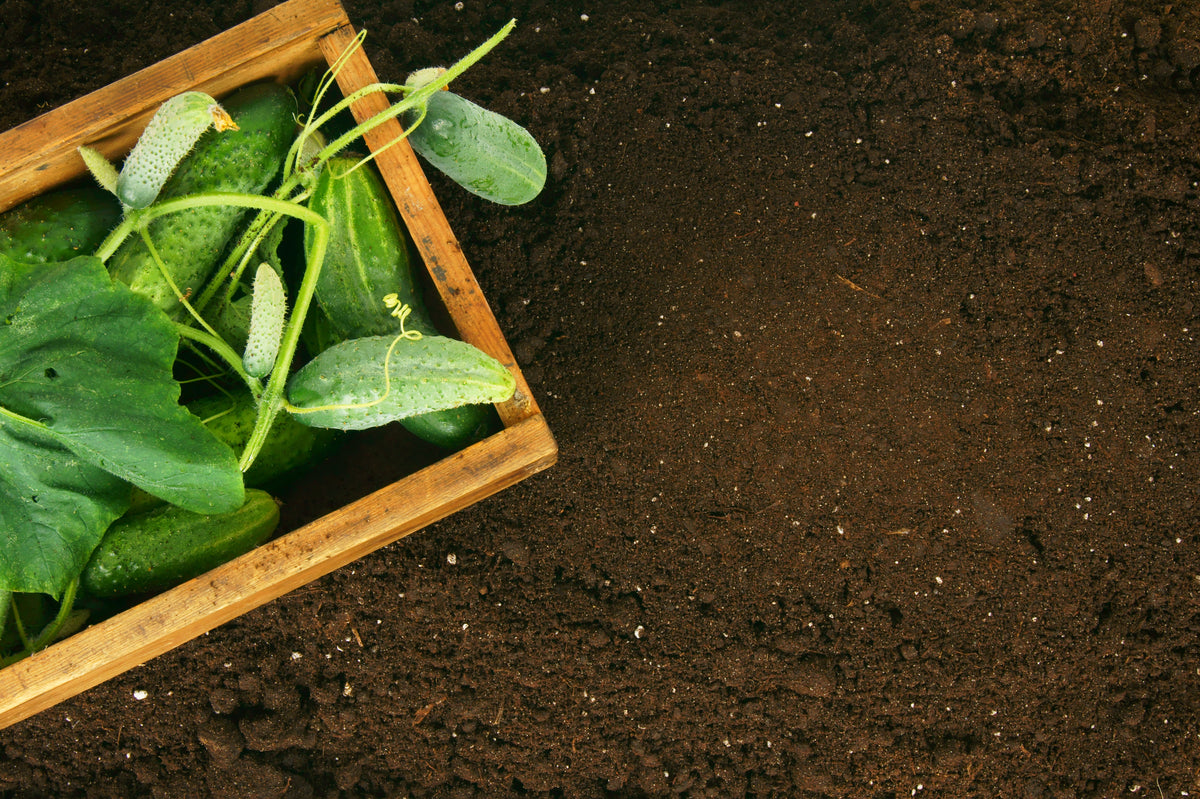
Mycorrhiza, rhizobacteria and lava meal. What is actually in a soil improver?
A soil improver works on the ground rather than on the plant. Organifer Activator Mix brings four things together: living fungi and bacteria, worm castings, dried cow manure and lava meal. The fungi and bacteria move nutrients and build structure, the castings and manure supply humus and slow nitrogen, and the lava meal returns trace elements the soil has lost. Each part works on a different timescale, and together they change what the ground is able to do.
Read more
How to get a perfect lawn: when to feed, how much, and what makes it green
A practical guide to achieving a dense, deep-green and resilient lawn through proper feeding, soil care, mowing and seasonal maintenance. It also explains how to prevent common problems such as moss, bare patches, drought stress and uneven growth.
Read more
What’s Wrong With My Houseplant’s Leaves? Identifying and Treating Leaf Disease Indoors
White, orange, brown or black marks on houseplant leaves usually come from one of a handful of fungi. How to tell them apart, what to do, and how to support a plant without spraying anything indoors.
Read more
Which Green Manure Should You Sow?
The Complete Guide to Cover Crops, Catch Crops and Green Manure Mixes
Read more
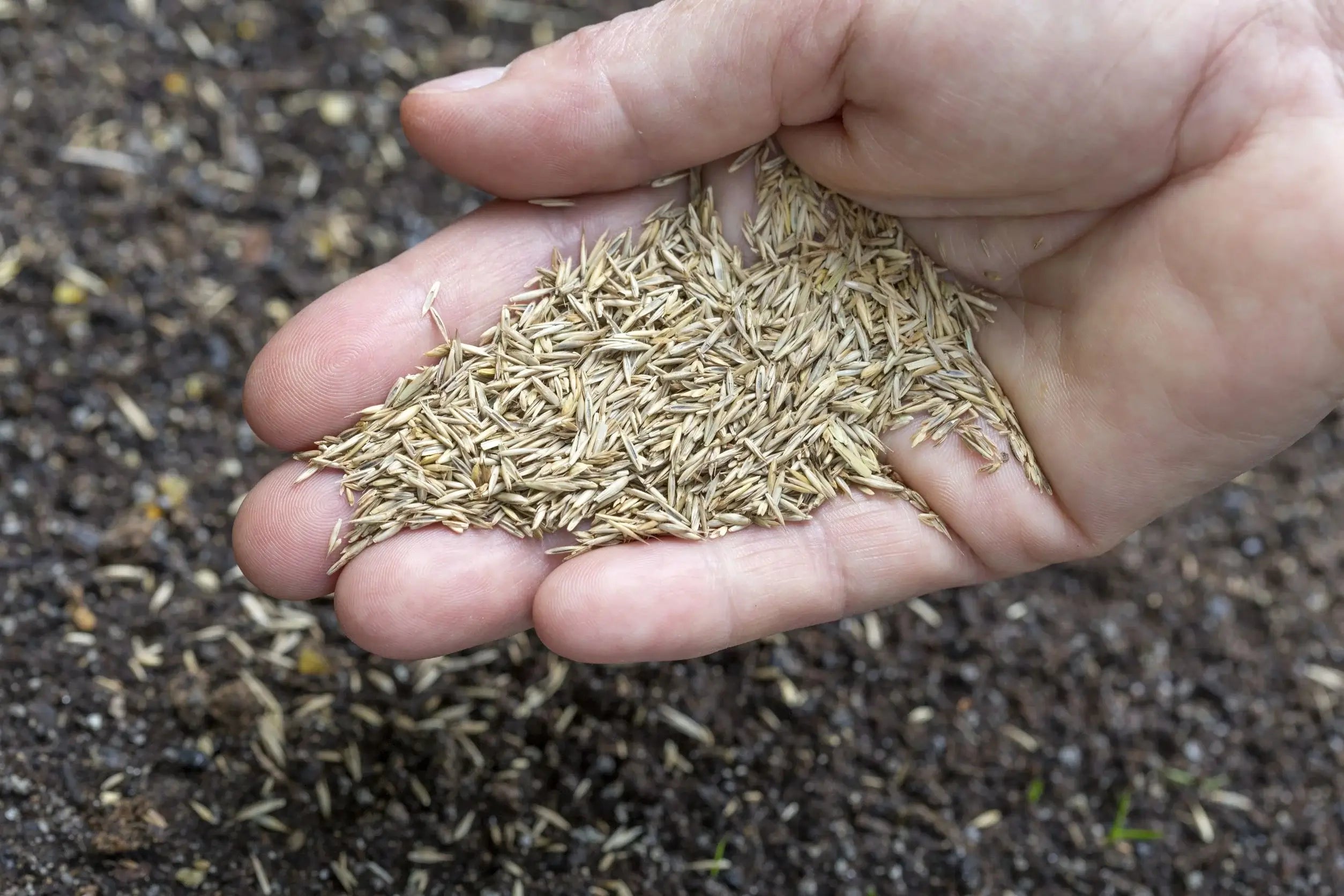
How Do You Create a Completely New Lawn? Removing the Old One, Preparing the Soil and Sowing
Mow the old lawn as short as your machine will go, then either work the sward into the soil or strip it off. Cultivate to about 25 centimetres, work in a soil improver suited to your soil type, level and firm the surface, then sow at 1 kg per 50 square metres, rake in lightly and keep it moist. September is the best month to do it. Six weeks later you have a lawn.
Read more
How Do You Repair a Damaged Lawn? Scarifying, Overseeding and Topdressing, Step by Step
Treat moss first if there is any, then mow short and scarify to pull out the thatch, overseed the thin and bare areas, apply a thin layer of topdressing and keep the surface moist. September is the best month for it, because the soil still holds summer warmth and weed pressure is low. Most lawns look genuinely restored four to six weeks later.
Read more
Explore the Top 5 Most Beautiful Gardens in Europe
Europe is home to some of the most stunning and historically significant gardens in the world. If you're a garden enthusiast or simply looking for a peaceful retreat, these top five gardens are must-visit destinations
Read more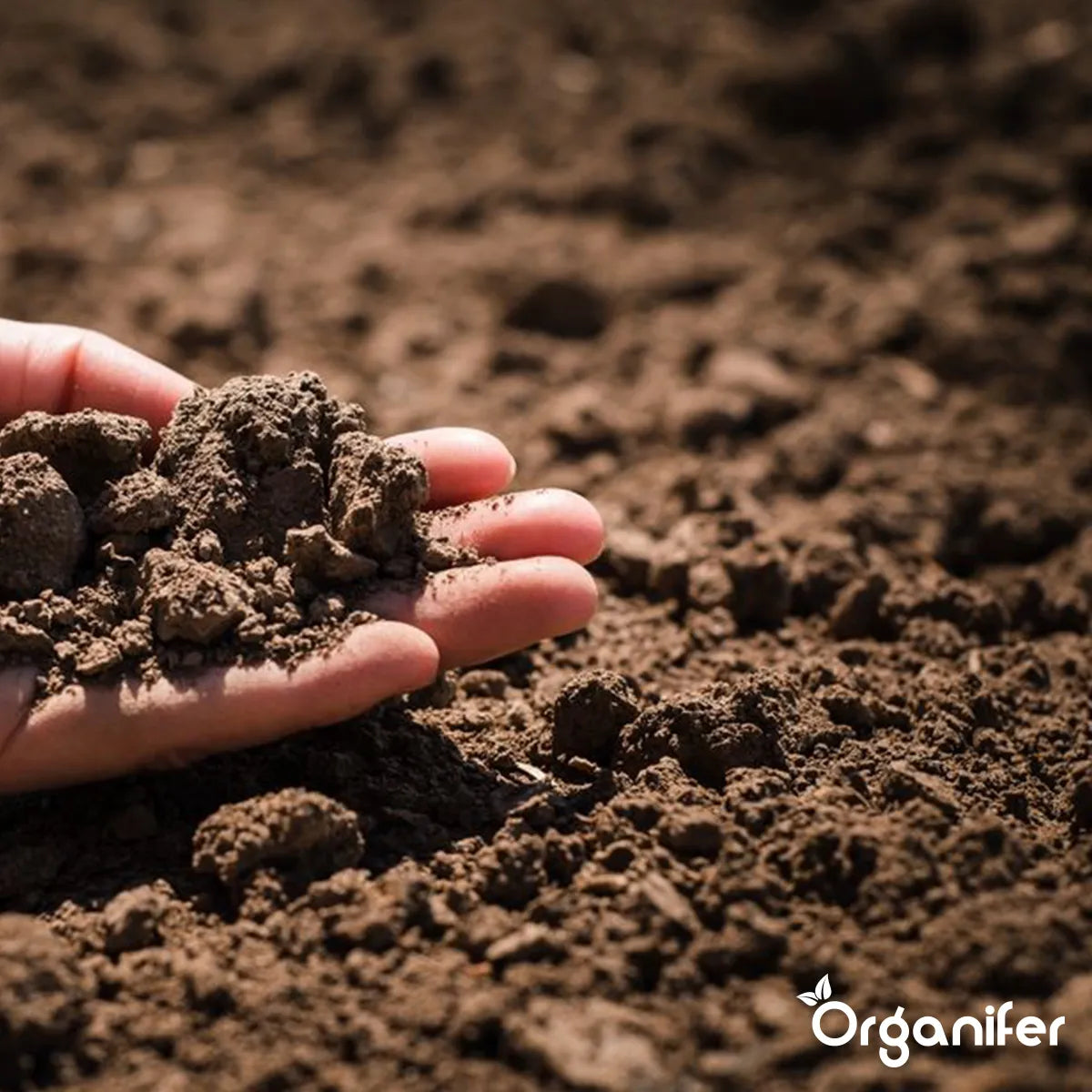
Optimal soil PH value
Every plant and crop has its own soil preference. In addition to nutrients, soil PH is important, among other things.
Read more
Stone dust CO2 Binder!
By massively "fertilizing" farmland with crushed rock, we could remove large amounts of carbon from the atmosphere. In theory.
Read more
Leaves on the lawn!
The biggest enemy in November for a perfect lawn are the leaves of the trees! Now we are fans of biodiversity and trees.
Read more
How can I control leatherjackets in the lawn?
We often get the question; how should I control leatherjackets? My lawn is going down! Help! Now we have developed an all-natural remedy with very good indirect action against leatherjackets; Organifer Grass Insects Concentrate
Read more
All about lawn mowing, 10 smart mowing tips for the perfect lawn!
To keep your lawn beautiful, it is important to mow your lawn properly. A perfect lawn certainly requires some work. You do this by mowing the grass not only often but also properly.
Read more
Follow us on Instagram